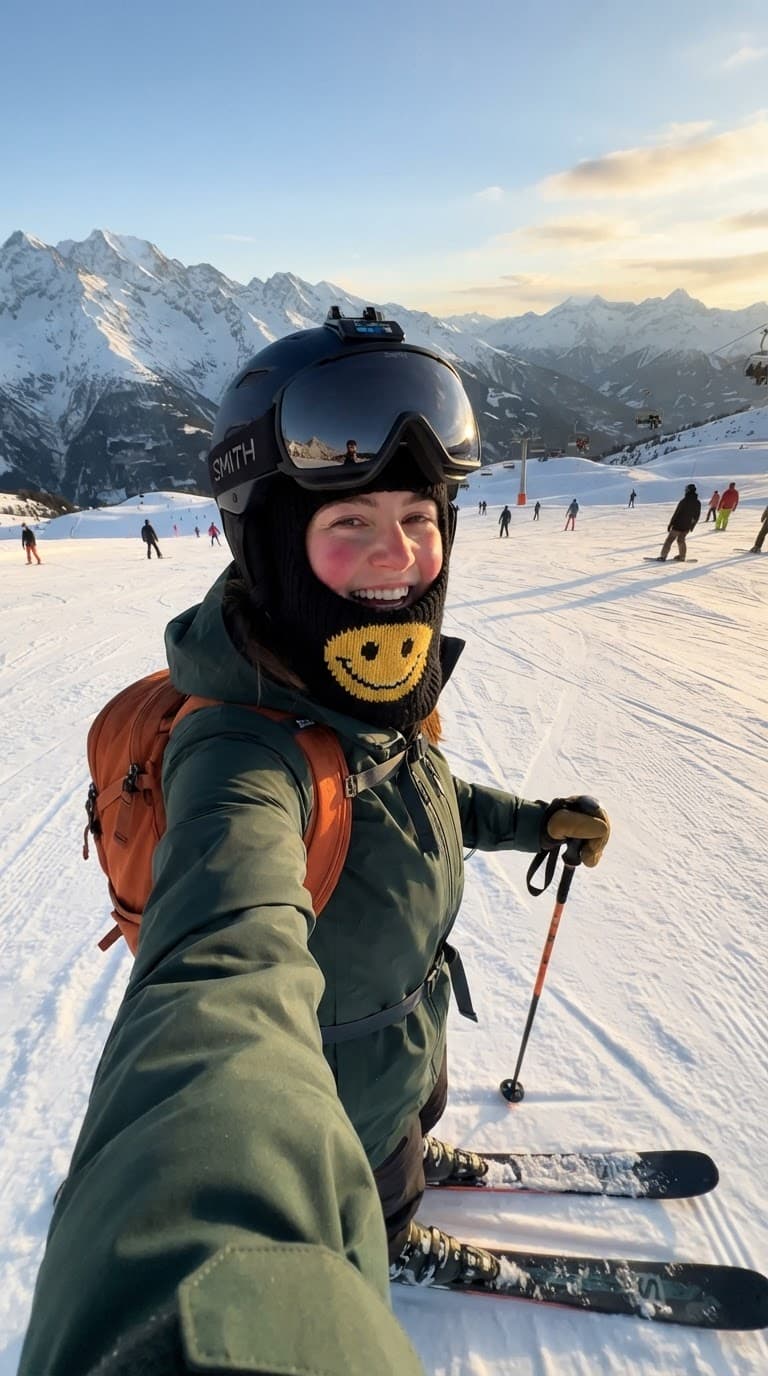

The first seconds give viewers context: a subject, a tension and a reason to continue. The 1.5 seconds in the title is a working reference, not a proven universal threshold. To improve an opening, examine what is immediately understandable before looking for a dramatic line.
Read the first shot without context
Watch the opening shot without the rest of the video. Can you identify the product or situation? Does the text add useful information or repeat an obvious image? An opening can fail because its framing needs too much explanation.
Ask someone unfamiliar with the project what they expect to see next. Their answer reveals the perceived promise, which may differ from your intention.
Choose a proportionate promise
A concrete question is often more useful than an unprovable superlative. Show a problem your demonstration will address, an unusual gesture or a visible result. Avoid expectations unrelated to the product.
Prepare the answer before the hook. If the central shot does not provide the expected evidence, a stronger opening line cannot fix that gap.
A useful hook opens a question the video can actually answer.
Write three entries for the same video
Try a question-led, gesture-led and result-led opening. Keep the central demonstration the same. The goal is to find which entry makes the subject clearest rather than produce three unrelated stories.
For a mug, you might show preparation, ask a question about the ritual or start with the mug ready to use. These are storyboard ideas, not test results.
Connect the opening to the evidence
The next shot should feel like the video is keeping its promise. Avoid a lengthy brand introduction between the question and answer. Check that sound and text support the same intention.
During review, watch the opening and central shot together. If their connection requires a spoken explanation, revise the edit before concluding the concept does not work.
An opening to test, not a magic formula
Record the selected version, perceived promise and following evidence. Those three elements make decisions comparable from one shoot to another, even when distribution results vary.
- An identifiable subject in the first shot.
- A promise the video keeps.
- One variable changed at a time.