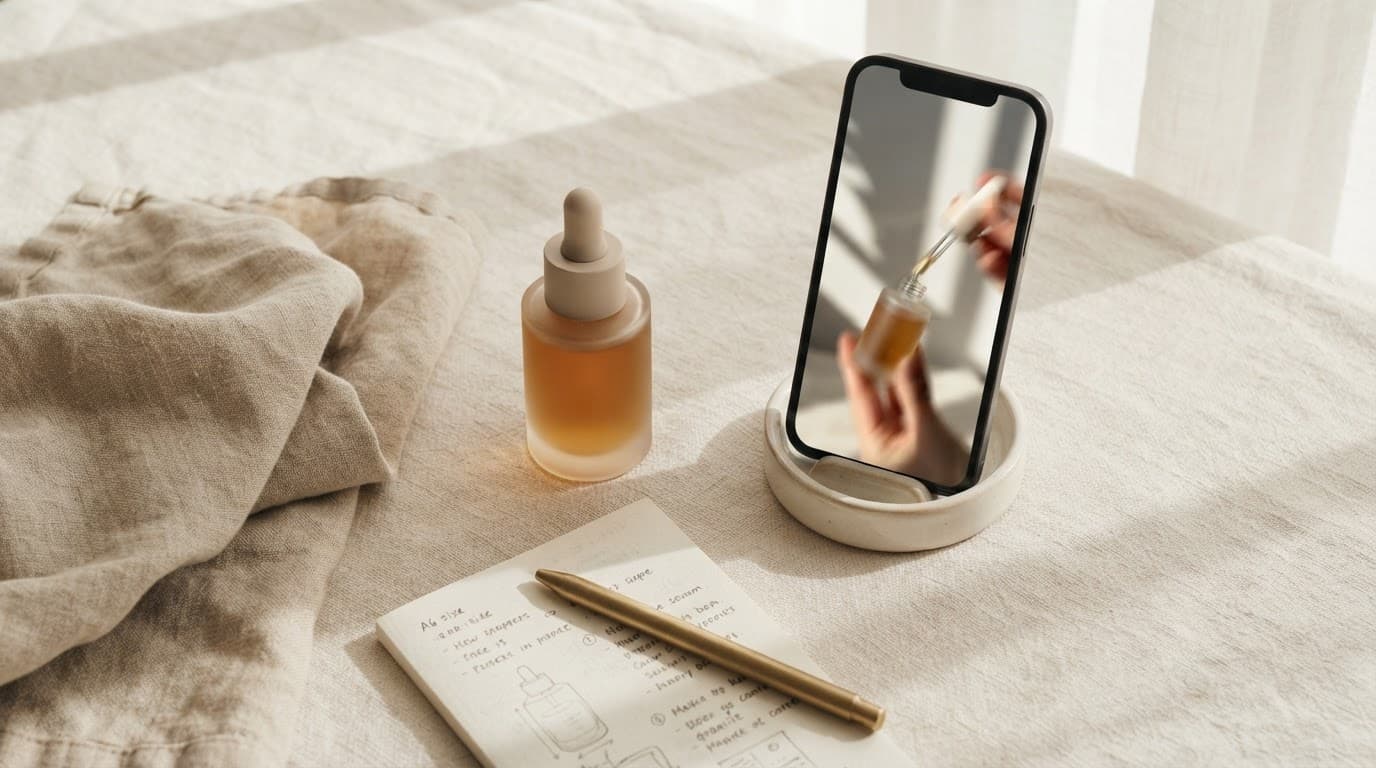
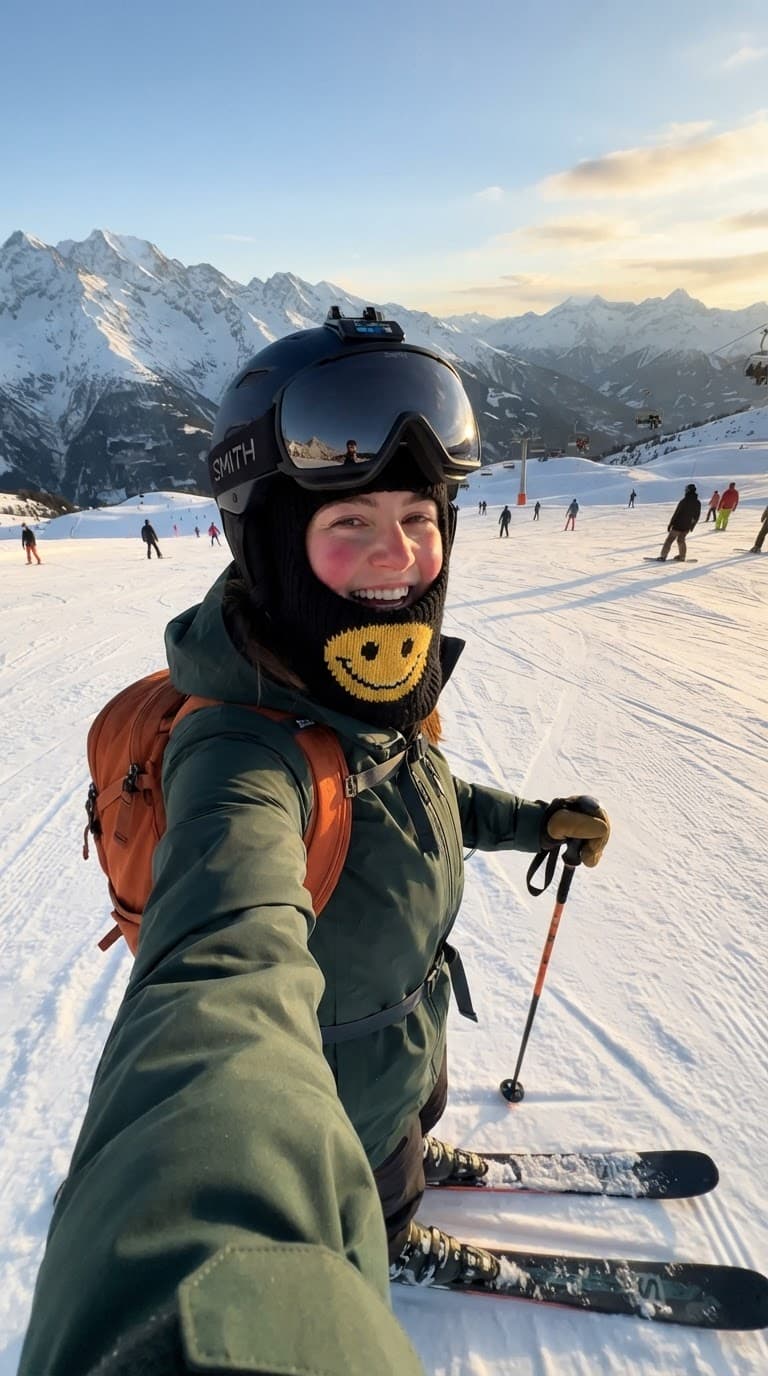
A mood board gathers images that suggest an atmosphere. A concept cluster gathers videos sharing a mechanism: an opening, evidence and progression. The tools can coexist, but they answer different questions. For planning a shoot, structure often makes the decision more concrete.
Separate visual world from mechanism
Soft light, a palette or a setting describes a visual world. A question followed by a demonstration describes progression. Mixing these levels risks reproducing a reference’s appearance without understanding its function.
Name the mechanism in one simple sentence first. Then add visual choices that fit your brand. The team can discuss the concept separately from its visual treatment.
Group with explicit criteria
Choose the defining elements: opening type, product placement, evidence type and close. Shared sound or similar colours are not enough to establish the same mechanism.
Keep differences between videos too. A useful cluster shows what stays stable and what can vary. That distinction becomes a foundation for a brief.
Atmosphere helps choose a world. Structure helps choose what to film.
Give the concept a useful name
A name such as “gesture then result” helps filming more than a vague label like “premium video”. The name should describe a staging decision rather than claim to explain performance by itself.
Pair the name with a source example and a sequence summary. Someone who did not join the research should understand the concept without reviewing the entire collection.
Move from cluster to storyboard
Choose a product property you can demonstrate. Connect it to the cluster’s mechanism, then specify the required shots. The mood board can then guide light, location and props.
If the storyboard still depends on another brand’s image to make sense, it is not sufficiently adapted. Rework product, context and evidence before filming.
Two tools with complementary uses
Use the mood board to define the visual world and the concept cluster to explain progression. The brief becomes easier to review when those decisions remain separate.
- A cluster defined by an observable mechanism.
- A name suggesting the shots to prepare.
- An adaptation that stands without reference footage.